
Raw Diet
**Raw Feeding & Nutrition at Vanaheim Rottweilers**
At Vanaheim Rottweilers, nutrition plays a vital role in the development, health, growth and long-term wellbeing of our dogs. While there are many quality feeding approaches available today, including premium commercial diets, our personal preference is a carefully managed human-grade raw feeding program.
Over many years of breeding, raising and working with Rottweilers, we have found that a balanced raw diet can support healthy growth, strong muscle development, excellent coat condition, healthy digestion and overall vitality when implemented correctly.
Every breeder and owner will have their own feeding philosophy. The information below outlines the approach we use within our kennel and the principles that guide our nutritional program.
**The Importance of Proper Nutrition**
Nutrition is one of the most important foundations for raising a healthy Rottweiler.
Regardless of whether a dog is fed a raw diet, premium kibble or a combination of both, the goal should always be to provide:
* High-quality protein
* Balanced minerals and vitamins
* Appropriate calcium-to-phosphorus ratios
* Healthy fats
* Digestible nutrients
* Consistent feeding routines
For growing Rottweiler puppies, nutrition is particularly important due to the breed’s rapid growth and substantial adult size.
Poor nutritional management, overfeeding, excessive growth rates or nutritional imbalances may contribute to developmental issues and place unnecessary stress on growing joints and bones.
**Our Feeding Philosophy**
At Vanaheim Rottweilers, we favour a prey-model inspired raw feeding approach built around fresh, natural ingredients.
Our program focuses on:
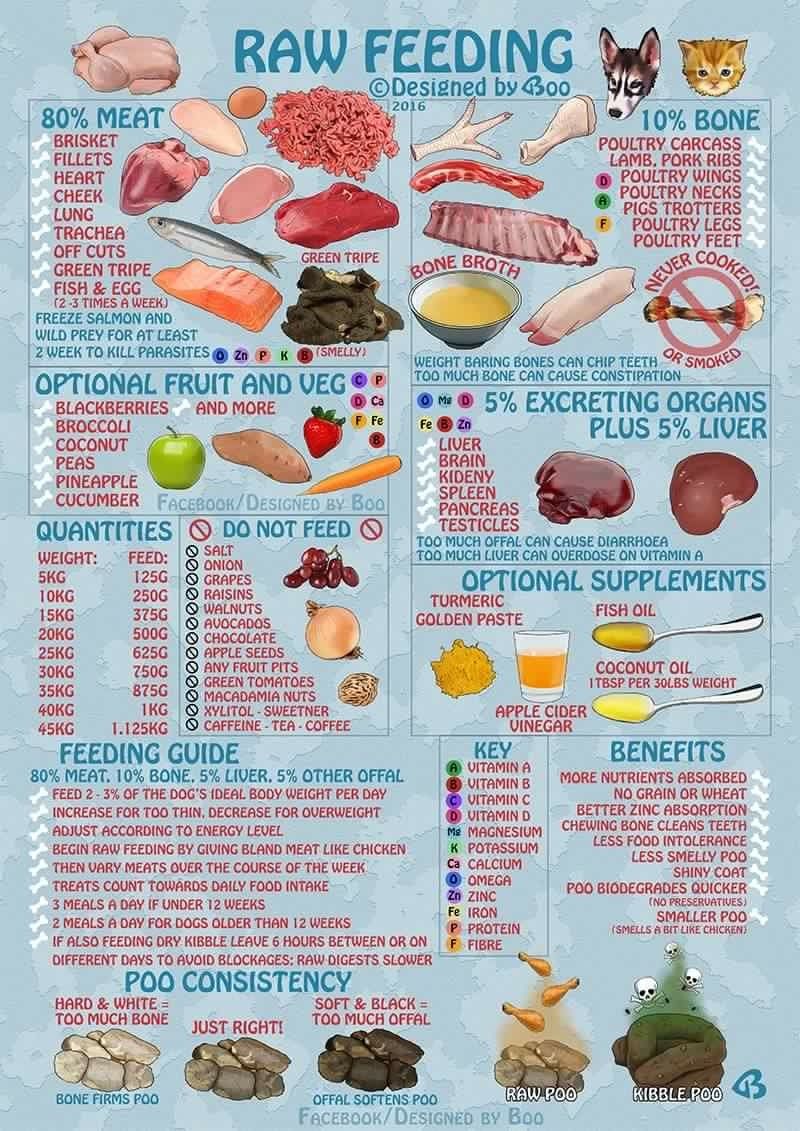
* Muscle meat
* Raw meaty bones
* Organ meats
* Eggs
* Variety of protein sources
* Species-appropriate nutrition
We aim to provide a diverse range of ingredients rather than relying heavily on any single food source.
Variety helps support nutritional balance while exposing dogs to a broad range of nutrients.
**Protein Sources We Commonly Use**
Our feeding program may include:
* Beef
* Chicken
* Turkey
* Lamb
* Goat
* Kangaroo
* Duck
* Quail
* Rabbit
* Fish
* Venison
* Emu
* Ostrich
Rotating protein sources helps provide dietary diversity and supports overall health.
**Muscle Meats**
Muscle meat forms the foundation of our feeding program and may include:
* Beef steak
* Beef trimmings
* Heart
* Tongue
* Kangaroo meat
* Chicken meat
* Lamb meat
* Turkey meat
Heart and tongue are technically classified as muscle meats and provide excellent nutritional value.
**Organ Meats**
Organ meats provide concentrated nutrients and form an important part of a balanced raw diet.
Examples include:
* Liver
* Kidney
* Spleen
* Lung
* Pancreas
* Green tripe
Liver is particularly rich in vitamins and minerals and is generally fed in moderation as part of a balanced program.
**Green Tripe**
Green tripe remains one of our preferred additions to a raw feeding program.
Unlike processed or bleached tripe, green tripe is unprocessed and retains naturally occurring digestive enzymes and beneficial nutrients.
Many raw feeders value green tripe for its:
* Digestive support
* Palatability
* Nutritional density
* Natural enzyme content
**Raw Meaty Bones**
Raw meaty bones play an important role in many raw feeding programs.
Benefits may include:
* Dental hygiene
* Mental stimulation
* Natural calcium source
* Jaw development
* Enrichment
**Important:** Never feed cooked bones.
Cooking alters bone structure and can increase the risk of splintering, which may cause serious injury or digestive complications.
**Eggs**
Eggs are an excellent source of:
* Protein
* Healthy fats
* Vitamins
* Minerals
Many raw feeders choose to include whole eggs several times per week as part of a balanced feeding routine.
**Foods We Avoid**
While every owner must make their own feeding decisions, there are several items we generally avoid within our kennel feeding program:
* Cooked bones
* Highly processed foods
* Excessive sugars
* Artificial preservatives where possible
* Poor quality fillers
We also encourage owners to carefully research any new food item before introducing it into their dog’s diet.
**Premium Commercial Diets**
Although we primarily feed raw, we recognise that not every owner is able to feed a full raw diet.
High-quality commercial foods can also provide excellent nutrition when selected carefully.
For owners who choose kibble, we generally recommend choosing a premium brand formulated specifically for large-breed puppies and adult dogs.
Many of our puppy owners have achieved excellent results using premium diets such as super premium dry food and other high-quality large-breed formulas.
**Feeding Growing Rottweiler Puppies**
Rottweilers are a large, slow-maturing breed that continues developing well beyond twelve months of age.
During this critical growth period, puppies require:
* Controlled growth rates
* Proper nutrition
* Appropriate exercise
* Consistent weight management
Overfeeding is one of the most common mistakes made with large-breed puppies.
Maintaining a lean, athletic body condition throughout development is generally considered preferable to carrying excess weight.
**The Vanaheim Rottweilers Approach**
At Vanaheim Rottweilers, we place enormous importance on nutrition as part of our overall commitment to producing healthy, well-developed and long-lived Rottweilers.
Our feeding philosophy is built around:
* Quality ingredients
* Nutritional balance
* Healthy growth
* Breed-specific requirements
* Long-term wellbeing
Whether owners choose a carefully managed raw feeding program, a premium commercial diet, or a combination of both, our focus remains the same: providing every Rottweiler with the nutrition required to thrive.
A well-fed Rottweiler is better equipped to develop into the strong, athletic, healthy and well-balanced companion that the breed is renowned for around the world.